
Log in to access your saved results.
Forgot password?New here? Take the free IQ test →
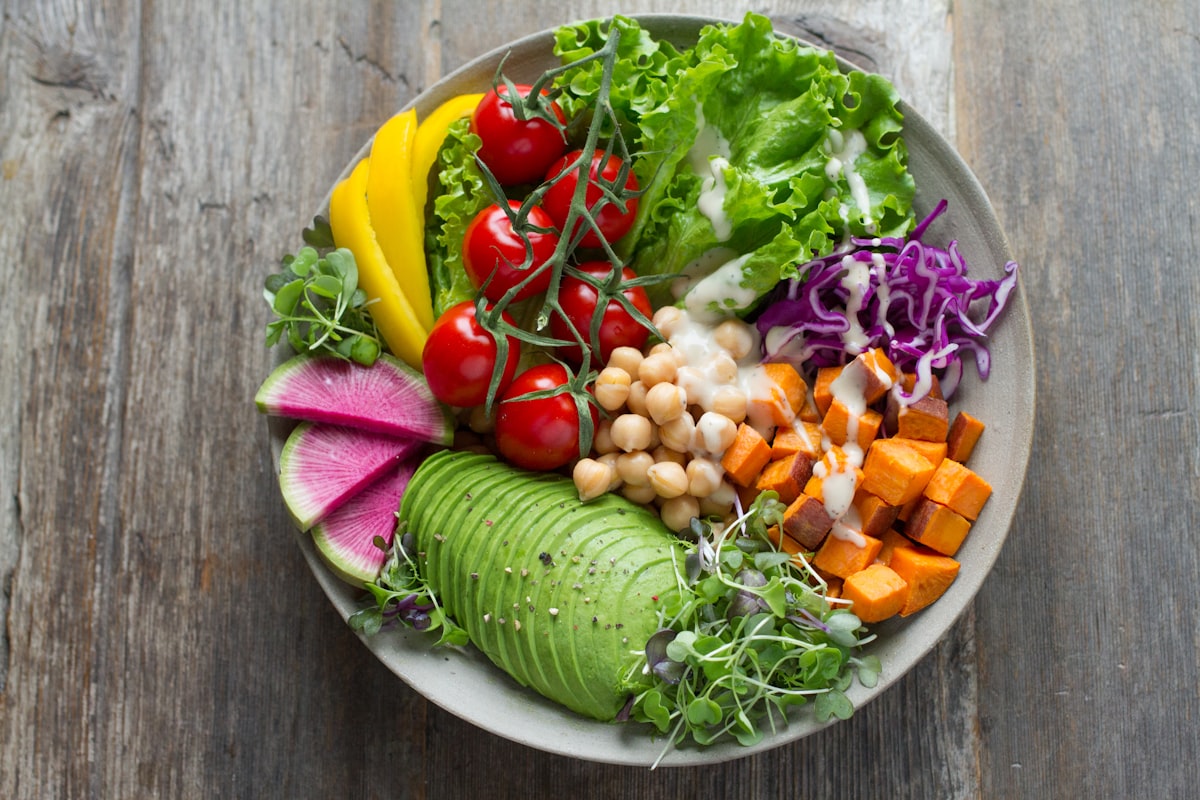
The brain is the most metabolically expensive organ in the body — consuming approximately 20% of your total caloric intake despite representing only 2% of body weight. What you feed it matters enormously for cognitive performance, mental clarity, and long-term brain health. Nutrition is one of the most modifiable determinants of IQ performance, particularly in populations with deficiencies.
DHA (docosahexaenoic acid) makes up approximately 30% of the brain's grey matter. It is essential for maintaining the fluidity of neuronal cell membranes, enabling fast signal transmission. EPA (eicosapentaenoic acid) has anti-inflammatory properties that protect neural tissue. Deficiency in omega-3s is associated with lower IQ in children, increased risk of depression, and accelerated cognitive decline. Best sources: oily fish (salmon, mackerel, sardines, herring), algae-based supplements for vegans.
Iron deficiency is the world's most common nutritional deficiency and one of the most significant modifiable causes of low IQ. Iron is essential for myelin synthesis (the insulating sheath around neurons) and dopamine production. Iron-deficient children score measurably lower on cognitive tests; supplementation in deficient populations produces IQ gains of 3–5 points. Best sources: red meat, liver, legumes, dark leafy greens (with vitamin C to enhance absorption).
Iodine deficiency is the single most preventable cause of intellectual disability worldwide. The thyroid hormones regulated by iodine are critical for brain development, particularly in the first trimester of pregnancy. Iodine deficiency during foetal development can reduce IQ by 10–15 points permanently. Best sources: iodised salt, seafood, dairy products.
B vitamins are essential for homocysteine regulation. Elevated homocysteine damages blood vessels and neural tissue and is associated with cognitive decline. B12 deficiency — common in vegans and older adults — causes neurological damage, memory impairment, and reduced cognitive speed. Best sources: meat, eggs, dairy (B12 is almost exclusively found in animal products; vegans should supplement).
The brain is highly vulnerable to oxidative stress due to its high metabolic activity and fat content. Antioxidants neutralise free radicals that damage neural tissue. Research on polyphenols — found in berries, dark chocolate, and green tea — suggests they improve blood flow to the brain, enhance memory, and slow cognitive ageing. Best sources: blueberries, dark chocolate (70%+), green tea, olive oil.
Just as important as what to eat is what to limit. Ultra-processed foods high in refined sugar cause glucose spikes and crashes that impair sustained cognitive performance. Trans fats (partially hydrogenated oils) damage neuronal membranes. Excessive alcohol depletes B vitamins, disrupts sleep architecture, and causes neuronal death at high doses. Chronic dehydration — even mild (1–2% of body weight) — measurably reduces cognitive performance, attention, and short-term memory.
Curious whether your diet is supporting your brain? Take our free IQ and memory tests to benchmark your current performance.
Take the Free IQ Test →